10 Smart Tips from a Personal Trainer for a Vegan Keto & Low-Carb Diet in 2026


A Vegan low-carb diet may sound restrictive, and in many ways it is - but its worth it. The results I've got from following a Vegan low carb (edging onto an almost ketogenic diet) have been pretty incredible. My clients are also getting really great results (of course!) and this is why I want to share some tips with you too.
Though it's restrictive, fortunately, in 2026, it’s more doable than ever—thanks to better availability of plant proteins and low-carb food choices, and to some degree a commercial shift in the supermarkets away from ultra-processed foods.
Therefore, whether your goal is fat loss, muscle gain, or stable energy, these principles will keep you grounded and consistent - but that's only if you are able to commit and discipline yourself enough to push through when it gets a little tricky to maintain, as naturally there will be testing moments as such a diet was a big change for me, and likely to be so for most of us.
1. Prioritise Protein First (Every Meal)
Low-carb vegan diets fail when protein is an afterthought. In 2026, aim for around 30–40g of protein per meal using:
• Tofu and tempeh
• Seitan (if gluten is tolerated)
• Pea, fava bean, or mycoprotein isolates
Personally, I'm totally fine with processed foods on occasion, which can support a low carb diet. I usually buy soya based 'chicken' for example. I do go through periods where I decide to go for a more whole foods based diet and avoid these foods, this is a decision you'' make for whats best for you and what your motivations and personal thoughts are around this.
Protein first keeps blood sugar stable and cravings low. I recommend around 1g of protein per kilo of weight. For example, i am 82kg and therefore aim for around 75-90g of protein per day.
I am not too obsessed about protein, I rarely care to be exact but especially in the beginning its useful to have a good understanding of approx how many grams you're having each day.
2. Treat Carbs as a Tool, Not a Staple
Carbs aren’t the enemy—but they should be intentional, not automatic.
Use them:
• Around workouts
• For recovery days
• Mostly from whole sources like berries or small portions of legumes.
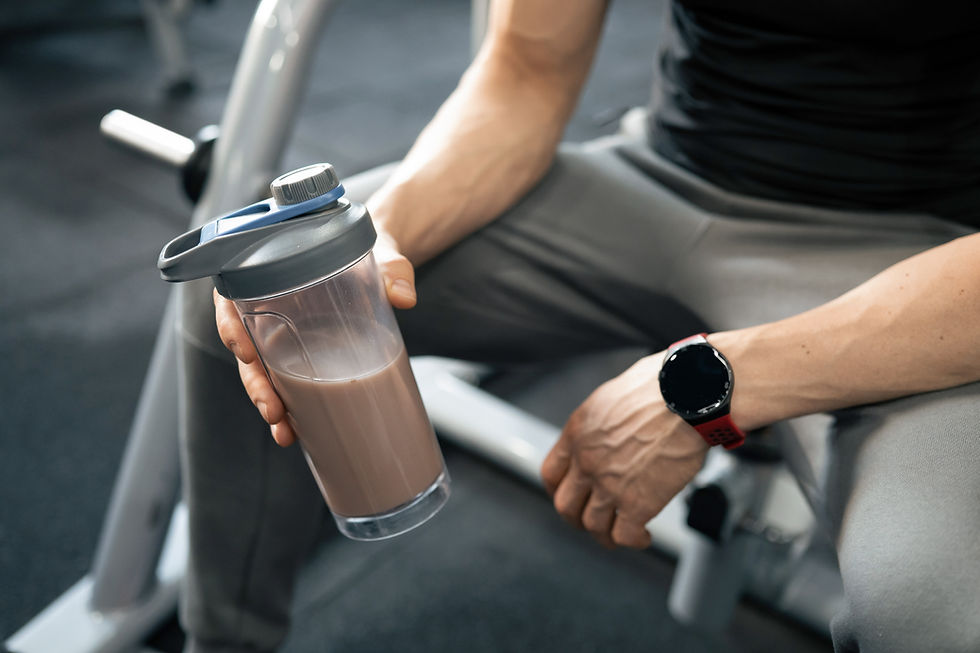
My main source of carbs is when using frozen berries to make a pea protein based protein shake.
I also have quite a high intake of carbs through dark chocolate (minimum 80%). This chocolate treat feels like quite an important tool to keep my Vegan low carb diet sustainable. It's a hearty treat that hits the spot without over-doing the carb intake, therefore keeping me happy and on track.
Most meals don’t need starch. Before I started my low carb meets keto diet, I would have lots of potatoes or pasta or bread or couscous or beans in each meal. Now, I don't and I dont miss it too much.
Though high carbs foods are generally cheaper, you'll find you eat less food when eating low carb, so price wise, I'm spending about the same now as I did before this low carb eating.
3. Build Meals Around Non-Starchy Vegetables
Your base should be:
• Leafy greens
• Courgette, aubergine, mushrooms
• Cabbage, cauliflower, broccoli
These provide volume, micronutrients, and fibre without pushing carbs too high.
Definitely courgette is a more regular part of my diet these days - I even bought a cheap and cheerful spiralizer, but.. I have stopped using it to be honest, the novelty wore off.
4. Embrace Healthy Fats (Without Overdoing Them)
Low-carb doesn’t mean “pour oil on everything.” Use fats wisely:
• Olive oil, avocado, olives
• Nuts and seeds in measured portions
Fats support hormones and satiety, but excess stalls progress.
Saying that, I use quite a generous amount of olive oil on my avocados and in salads. My goal is not weight loss so I feel OK about using plenty of olive oil.
5. Choose Fermented Foods for Gut Health
Gut health remains central to metabolism and immunity. Include:
• Sauerkraut and kimchi
• Tempeh and miso
A healthier gut improves nutrient absorption and appetite regulation.
Also as our diet is more restrictive now, this does give us easy low carb and vegan ways to adds lots of flavour minus the carbs to our meals.
6. Watch for Hidden Carbs in “Vegan” Products
Many vegan foods are still carb-heavy:
• Oat-based milks
• Vegan meats with starch fillers
• “Healthy” snack bars
Read labels. Simpler ingredient lists usually win.
I was a bit surprised when I found out how much carb was in oat milk! Especially when the main ingredient by far is water. Anyway, I now go for coconut, almond or soya milk - easy peasy - ah that reminds me, pea milk is great too if you can find it.
7. Supplement Strategically
On a vegan low-carb diet, smart supplementation matters:
• Vitamin B12 (non-negotiable)
• Omega-3 (algae-based DHA/EPA)
• Creatine for strength and muscle
• Electrolytes if carbs are very low
This supports performance, focus, and recovery.
8. Don’t Fear Salt
Low-carb eating increases sodium loss. The old “low-salt” fear can be outdated for active people.
Salt your food to taste—especially if training or sweating regularly. Of course, if you need to be careful around your salt intake, do what you have to do, you know your own situation better than anyone.
9. Keep Meals Simple and Repetitive
Consistency beats variety. A few reliable meals reduce decision fatigue:
• Tofu + greens + olive oil
• Tempeh stir-fry with mushrooms
• Protein shake with seeds and unsweetened milk
Simple meals = long-term adherence.
My meals are definitely more repetitive these days, but varied enough to try to keep any gaps in my nutrition at bay.
10. Align Diet With Lifestyle, Not Perfection
The best diet is the one you can sustain:
• Social meals won’t be perfect
• Some days carbs will be higher
• Progress comes from weeks, not single meals
Aim for 80–90% consistency, not control.
As I write this, it's the Christmas period. Whereas I don't have a particularly busy social life, there are a few extra Christmas dinners here and there and more social situations. Carbs are sneaking in and with some of my meals, you would have no idea that i was doing a lower carb diet. Anyway, that's OK for me. How much that is OK for you, depends on your goal.
⸻
Focus on protein, simplicity, and whole foods, and let the diet support your training, clarity, and long-term health—not dominate your life. Once you get into the swing of it, its actually fine! There may be moments of overwhelm when you first start but go easy on yourself.
Especially in the beginning you'll see fantastic results. This should be motivating enough for you to help you to push through the restrictive nature of the diet, as you find your rhythm.
Being Vegan is a beautiful gesture - the low carb element is simply a useful and fantastic tool.
Be well and have a lovely Christmas and 2026. May you have good health and wellness.