I’m Nearly 40 Years Old. Here’s What 16 Years as a Personal Trainer Have Taught Me About Ageing Well

When I first became a personal trainer in my early-twenties, truthfully, subconsciously, I thought health & fitness was mainly about looking good. Everything else was a bonus.
Now, 16 years later, as I approach my 40th birthday, I feel healthier today than I did at 23.
I have more energy, a better relationship with food, fewer aches and pains, and a much clearer understanding of what truly matters.
My priorities have shifted away from chasing perfection and towards building a body that will allow me to live well for decades to come.
If there is one lesson that almost forty years of life and fourteen years of coaching have taught me, it is; The goal isn’t so much only to look good but more about growing older without becoming frail - staying strong, mobile and independent.
That might not sound like the most glamorous message in today’s fitness world, but I believe it’s one of the most important.
We’ve Been Taught to Fear Ageing
Modern society has become obsessed with looking younger. Especially many of us in the gay community.
Every week there's another miracle product promising to erase wrinkles, another celebrity promoting a new anti-ageing treatment, another social media influencer selling expensive supplements or injections designed to 'optimise' the body.
The message is subtle but quite relentless, that ageing is a problem to fix. Growing older is a privilege. Especially as not everyone gets the chance to do so. This sad fact of life, we all come face to face with, through people we know and love.
The real tragedy isn’t getting older. It’s spending decades neglecting our health and then assuming that aches, stiffness, poor mobility and chronic illness are simply an inevitable part of ageing because in many cases, they aren’t.
Of course, our bodies change with age. Recovery may take a little longer, hormones shift, and maintaining muscle requires more attention.
But much of what people attribute to ageing is actually the result of years of inactivity, highly processed diets, chronic stress, poor sleep and progressively losing muscle mass.
We often blame the passage of time for problems that have been developing through our daily habits.
The Biggest Lie That We Consume
Here’s something that may sound controversial but I don’t think most people need to lose weight. In fact, they need to become stronger.
For years we’ve been encouraged to focus almost exclusively on the scales. Every January thousands of people begin another weight-loss challenge, hoping this time will be different yet the number on the scales tells us surprisingly little.
It doesn’t tell us how strong we are and it doesn’t tell us how healthy our heart is. It doesn’t tell us whether we can climb several flights of stairs without becoming breathless and it doesn’t tell us whether we’ll still be able to carry heavy shopping bags or confidently get up from the floor twenty or thirty years from now.
Muscle Is What Really Matters
As we age, we naturally lose muscle unless we actively maintain it. This gradual decline, known as sarcopenia, is associated with reduced mobility, increased risk of falls, loss of independence and poorer long-term health outcomes.
Strength training isn’t simply about aesthetics anymore. It’s one of the best investments we can make in our future selves.
I No Longer Care About Having the Perfect Body
There was a time when I thought visible abs were a sign of success.
Today, I’m much more interested in questions like these, Can I move without pain? Can I enjoy long walks? Can I get up from the floor easily? Can I carry my shopping comfortably? Can I remain independent well into old age? Can I enjoy exercise rather than feeling punished by it?
These questions are infinitely more important than whether my waist is half an inch smaller than it was last summer.
The healthiest and most inspiring people I know aren’t necessarily the leanest. They’re the ones who move regularly, prepare nourishing meals, sleep well, laugh often, spend time with people they care about and remain physically capable. I believe that health is far bigger than appearance.
You Don’t Need More Supplements, Just Need Better Habits.
I’m not against supplements when there’s a need for them. Some are well-supported by evidence, and certain people benefit from targeted supplementation.
But I’ve met countless people searching for the perfect supplement while barely sleeping six hours a night, eating very few vegetables, spending most of the day sitting down and rarely exercising.
No supplement can compensate for neglected fundamentals.
The healthiest lifestyle is often surprisingly ordinary.
Cook more meals from scratch.
Eat plenty of fruit, vegetables, beans, lentils, whole grains, nuts and seeds.
Strength train a couple of times each week.
Walk daily.
Prioritise sleep.
Spend less time glued to screens.
Maintain meaningful relationships.
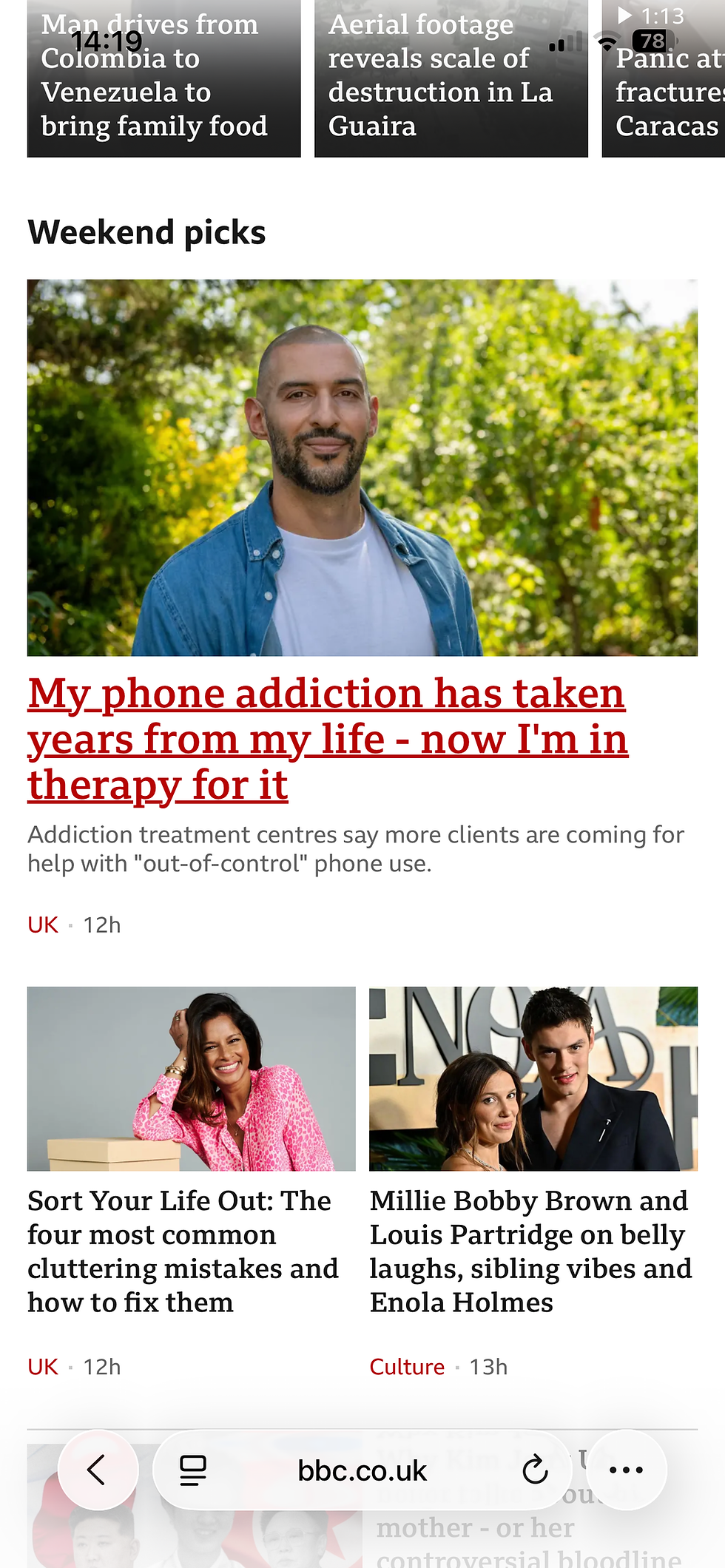
None of these habits are exciting enough to go viral on social media (I can say this as I tried with my BBC article if you saw it), but together they have a profound impact on long-term health.
Beginners Have Nothing to Be Embarrassed About
One thing that has never changed throughout my career is my admiration for beginners. Walking into a gym for the first time takes courage and so does starting after years of inactivity. Returning after illness, injury or low confidence also takes courage.
The fitness industry often celebrates elite athletes and dramatic transformations, but I believe the real victories happen more subtely such as the person completing their first back pain-free squat or my client who no longer feels breathless climbing the London underground tube stairs or my client who finally believes exercise belongs to them too, after feeling excluded from these spaces for so long - a nod especially to the gay community who may resonate with this mostly.
These moments add up to really improve our quality of life, our joy and whole experience.
Movement Is Medicine, But It Should Also Be Enjoyable
Exercise shouldn’t feel like punishment for eating dessert and it shouldn't be a way of earning food but it is instead one of the greatest gifts we can give ourselves.
When people find an activity they genuinely enjoy whether that’s strength training, walking, swimming, cycling or dancing they’re far more likely to continue for years.
Consistency always beats intensity where you'll see that the best programme isn’t the hardest one but it’s the one you’ll still be doing five years from now.
My Priorities as I approach 40 years old
As I approach 40 years old, I don’t have a long list of extreme fitness goals. Instead, I want to continue building a life that supports long-term health and I want to remain strong enough to enjoy everyday life without limitation.
I want to continue eating mostly whole, plant-based foods because they help me feel energised and healthy and I want to spend more time outdoors or with friends in my local park than staring at screens.
I want to manage stress rather than wear busyness like a badge of honour and I want to look after my joints, my heart, my muscles and my mind.
Most importantly, I want to arrive at sixty, seventy and eighty (if God gives me this blessing) with the freedom to keep doing the things I love.
What Does Success Really Look Like?
Success isn’t having the body you had at 24. What I consider success is someone reaching eighty and still walking independently. They are still gardening and travelling. They are still carrying their own shopping and getting up from the floor without assistance.
I have people in my life, including people I train who inspire me in this way. That’s the kind of fitness I’m interested in now.
Ageing isn’t something to fear but frailty, lack of mobility and lack of independance is.
The encouraging news is that, for many of us, frailty isn’t predetermined. Every balanced meal, every walk, every strength session and every good night’s sleep is an investment in the person we’ll become years from now.
As I turn forty, I’m not trying to turn back the clock but I’m trying to make sure that every year ahead is lived with strength, health, the ability to move well and independently.
And if you’re approaching forty or well beyond it, perhaps that’s a goal worth sharing.