Training While on Weight Loss Injections (Fat Jab) (Ozempic, Wegovy & GLP-1 Drugs): What You Should Know. Personal Trainer Tips


If you’re taking a weight loss injection (fat jab) - Ozempic, Wegovy, Mounjaro, Zepbound - you’re not alone. Millions of people in the UK are now using GLP-1 medications as part of their weight loss journey. A growing number of them are asking this important question:
“Should I be training? And if so, how?”
The answer is, Yes - how you train is what makes all the difference.
Here’s what I’ve noticed working with clients over 17 years as a personal trainer in North London: the medication can help with appetite and calorie reduction, but it can’t build muscle for you, protect your bone density, improve your posture, or make you feel strong and capable in your own body. This is where your training comes in.
What Do GLP-1 Weight Loss Injections Do?
GLP-1 drugs like Ozempic and Mounjaro work by mimicking a hormone that regulates appetite. They slow down digestion, reduce hunger signals, and help you feel full on significantly less food. This results in most people eating far fewer calories. Often 500-1,000 fewer per day! They lose weight very quickly.
That sounds great is absolutely is a helpful tool, but there’s a catch..
When you lose weight quickly without training, a significant portion of what you lose is muscle and not just fat.
Muscle keeps your metabolism ticking, gives your body shape and definition, protects your joints, keeps you strong as you age, and helps you stay lean long-term.
Losing muscle alongside fat can go unnoticed but have significant consequences.
Resistance Training Is Essential If You’re on a GLP-1
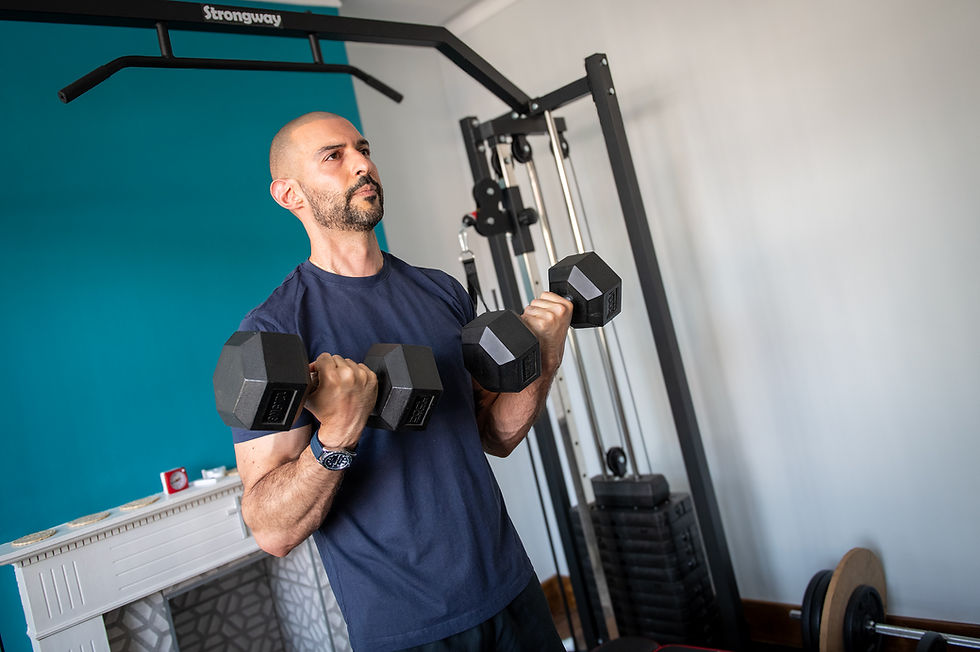
Resistance training- lifting weights, using resistance bands, bodyweight exercises is the primary tool we have for preserving and building muscle.
If you’re in a significant calorie deficit (which most GLP-1 users are), resistance training becomes even more important than usual.
Training alongside your GLP-1 medication can support you to;
Protect your muscle mass. This works by stimulating your muscles through resistance training, sending a signal to your body to hold onto them even when you’re eating less.
Improve your body composition. You can lose fat and maintain or even gain muscle simultaneously.
Support your metabolism long-term. More muscle means a higher resting metabolic rate. This is crucial for keeping the weight off after you come off the medication.
Improve bone density. GLP-1-related rapid weight loss can affect bone health. Resistance training is one of the most evidence-based ways to support it.
Boost energy and mood. Nausea and fatigue are common side effects of GLP-1 drugs especially early on. Gentle, progressive exercise can help with both.
How To Train When You’re on a Weight Loss Injection?
Start Gentle and Build From There
If you’re new to exercise, or returning after a long break, don’t try to go from zero to five sessions a week the moment you start your medication.
Your body is already adapting to significant changes such as less food, potential nausea, possibly disrupted sleep. Give yourself space to ease in.
Two or three sessions a week of resistance-based training is a brilliant starting point.
Progress from there as your energy and confidence grow.
Prioritise Resistance Training Over Cardio
This might go against what you’ve always been told but if you’re already in a substantial calorie deficit from the medication, adding aggressive cardio on top can accelerate muscle loss rather than prevent it.
A good resistance programme including squats, deadlifts, pressing movements, pulling movements is where your energy is best focused.
Cardio has its place, walking especially but it shouldn’t be the main focus of your training when you’re eating significantly less.
Eat Enough Protein
This is very important when on a reduced calorie intake.
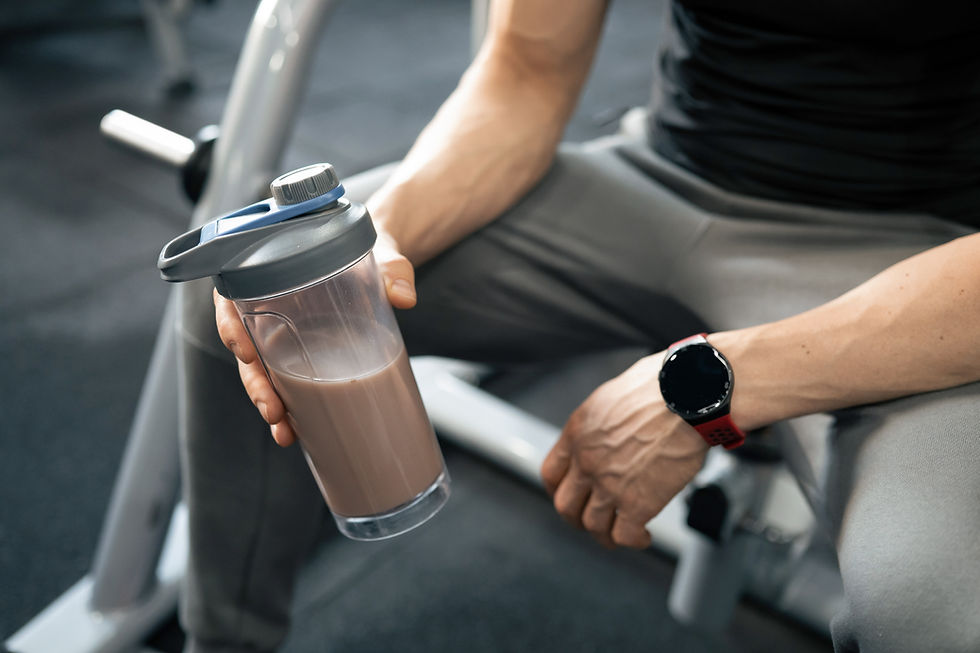
Protein is the building block your muscles need to repair and grow after training.
Most people on GLP-1 medications undereat protein because they undereat everything.
Aim for at least 1g of protein per kg of bodyweight. If you’re plant-based or vegan, as I am, this is absolutely achievable.
Tofu, tempeh, legumes, edamame, seitan, protein powders, there are plenty of really great sources. I can help you with this if you are also plant-based.
Don’t Train Through Nausea
If you’re feeling unwell, which I now have seen, often happens in the early weeks or when doses are increased, it is best to rest.
A short walk is fine but pushing through a full training session when you’re nauseous is neither enjoyable nor effective.
Give your body what it needs.
Stay Hydrated
GLP-1 drugs can cause dehydration.
Drink water consistently throughout the day, not just around your workouts.
What About Cardio? How Much?
Walking is really great and I’d always encourage as much of it as feels comfortable.
It’s low-impact, accessible, supports heart health, and burns calories without the recovery demands of intense cardio.
If you enjoy running, cycling, swimming or other cardio activities, keep doing them. Just make sure your resistance training is the non-negotiable, I feel that strength training needs to be ring-fenced in your weekly routine. Ensure that your protein intake supports both.
Eat More on Training Days
GLP-1 drugs suppress your appetite so effectively that many people don’t feel hungry even when they need to fuel their training.
I was told that setting an alarm to eat was a necessary tactic to remember and to ensure enough calories are taken, so that may prove useful for you.
On heavier session days, try to be intentional about getting your protein and some carbohydrates in around your training, even if you don’t feel particularly hungry.
This is one of the reasons working with a personal trainer is valuable when you’re on a GLP-1.
Someone who understands both the training side and the nutrition side can help you get the balance right.
What Happens When You Come Off the Medication?
Many people find that when they stop taking a GLP-1 drug, appetite returns.
Weight can come back if nothing has changed in terms of habits, muscle mass, and activity levels.
Training consistently while you’re on the medication is, in part, an investment in that future.
Building muscle, developing consistent movement habits, understanding how to eat well are things that stay with you after the prescription ends.
The Support I Offer
I work with people at all stages of their fitness journey, from beginners, those returning after long breaks, and people navigating specific health circumstances like being on GLP-1 medication.
My approach is calm, supportive, non-judgemental and effective.
We work in a private studio in Arnos Grove, North London.
I also work with clients online via video call if you’re not local or in London.
If you’re on a weight loss injection and want to make sure you’re training in a way that supports your goals; protecting muscle, improving body composition, building the kind of strength and health that lasts, I’d love to help.
Your first session is just £40. No pressure, no sales chat.
👉 [WhatsApp me to book your trial session](https://wa.me/447739418718)
📧 Or email: [mariosiacovou@outlook.com](mailto:mariosiacovou@outlook.com)
📍 Private studio, Arnos Grove, North London (3–4 minutes from the tube)
💻 Online personal training also available